Diagnosis That Identifies Actual System Failures
HVAC Repair in Plano and throughout the Chicagoland area for heating, cooling, and airflow problems that disrupt comfort during extreme weather
Equipment breakdowns happen when temperatures are most extreme—furnaces quit during January cold snaps, and air conditioners fail during July heat waves. Prompt diagnosis determines whether the problem stems from a failed component, refrigerant leak, airflow restriction, or electrical issue, which affects whether repair or replacement makes financial sense. J&C HVAC Services, Corp. services both residential and commercial HVAC systems across Plano and the Chicagoland area, addressing failures that range from ignition problems and blower motor failures to compressor issues and refrigerant leaks.
HVAC repair involves testing individual components to isolate the failure point rather than replacing parts until the system works. A furnace that won't ignite could have a failed flame sensor, gas valve, ignition module, or pressure switch, and replacing the wrong component wastes money without restoring heat. Diagnostic testing identifies which part failed and whether other components are wearing out, allowing you to decide between repairing the immediate problem or replacing an aging system before additional failures occur.
Schedule repair service to restore heating or cooling before minor failures escalate into complete system breakdowns.
What Proper Repair Requires
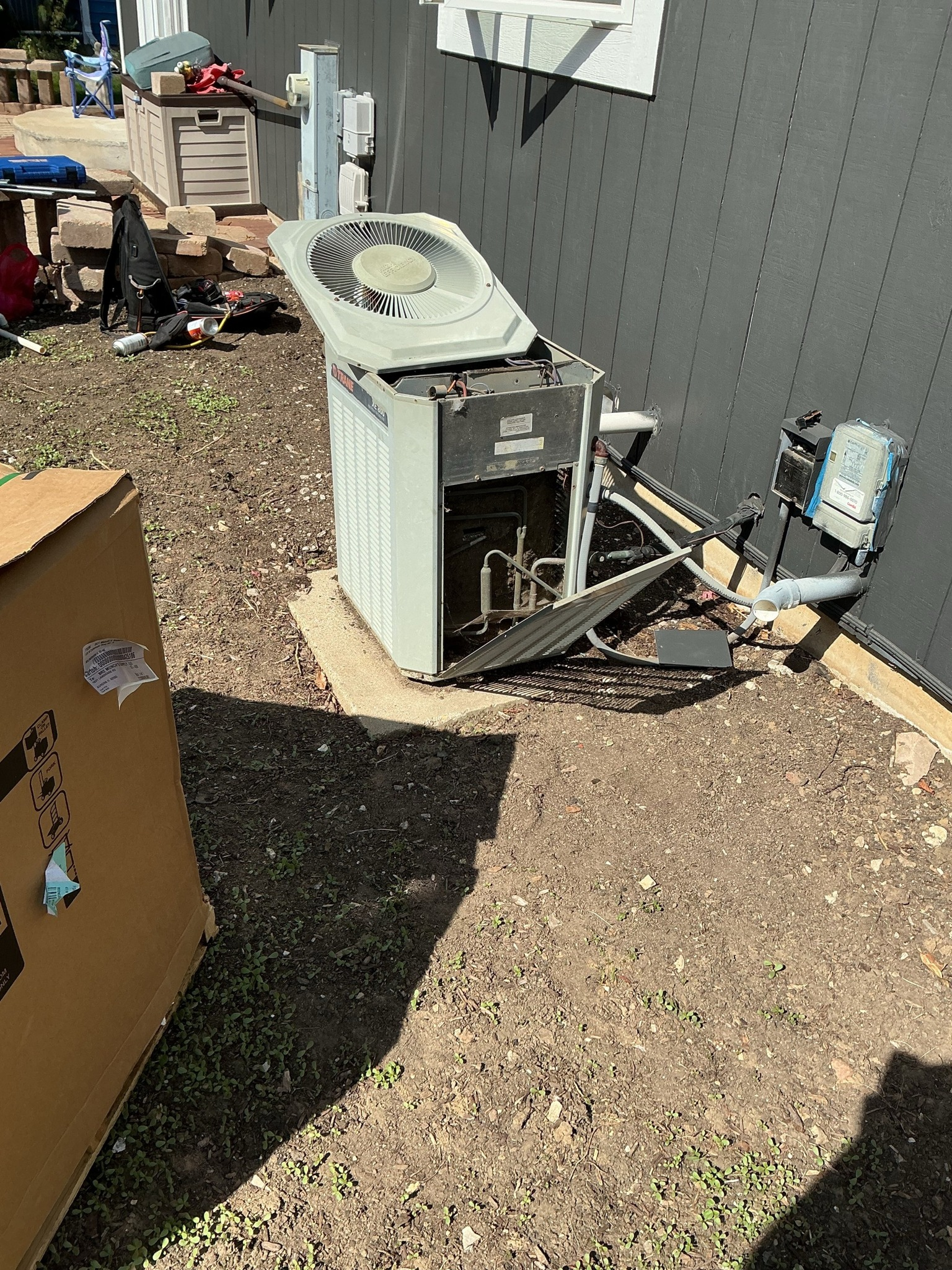
Heating and cooling repairs address failed igniters, capacitors, contactors, blower motors, gas valves, and compressors that prevent systems from operating. Fast response support during emergency breakdowns reduces downtime when outdoor temperatures make indoor conditions uncomfortable or unsafe. Airflow problems caused by clogged filters, dirty coils, or failed blower motors reduce system capacity and efficiency, causing longer run times and higher energy costs even when the system technically still operates.
After repairs, the system returns to maintaining set temperatures without excessive cycling, unusual noises, or weak airflow from supply vents. Replacing a failed capacitor restores compressor startup, eliminating the humming sound from a condenser that tries to run but can't start. Cleaning a clogged evaporator coil restores airflow and cooling capacity, which you'll notice as shorter run times and better humidity control. J&C HVAC Services, Corp. tests system operation after repairs to confirm temperatures, airflow, and cycle times return to normal ranges.
Repair services prevent larger system failures by addressing problems before they damage additional components—a failing blower motor that overheats can damage the control board, and low refrigerant from a leak forces the compressor to work harder until it eventually fails. Systems older than twelve years with major component failures like compressor or heat exchanger problems typically warrant replacement rather than repair, since the remaining useful life doesn't justify the repair cost.
What Property Owners Usually Ask
Repair decisions depend on the failed component's cost, the system's age, and whether other parts are nearing the end of their service life.
What causes HVAC systems to fail during extreme weather?
Heating and cooling equipment works hardest when outdoor temperatures are most severe, which stresses worn components until they fail. Capacitors weaken from heat exposure, blower motors wear out from continuous operation, and compressors fail when low refrigerant or restricted airflow causes them to overheat.
How quickly can emergency repairs restore heating or cooling?
Diagnosis and repair time depends on the failed component and parts availability. Replacing a capacitor, thermostat, or flame sensor typically takes under an hour, while blower motor or gas valve replacement requires several hours. Compressor replacement or refrigerant leak repairs take longer and may require ordering specific parts.
When does repairing an older system stop making financial sense?
If repair costs exceed half the price of replacement and the system is over twelve years old, replacement often makes more sense. Multiple repairs within a two-year period also indicate the system is wearing out, and additional failures are likely. A failed compressor on a system over ten years old typically warrants replacement rather than repair in Plano's climate.
What gets tested during HVAC diagnostics?
Technicians measure voltage and amperage to identify electrical failures, test capacitors and contactors with meters, check refrigerant pressures and temperatures to diagnose cooling problems, and verify gas pressure and flame characteristics for furnaces. Airflow is measured at supply vents to identify restrictions.
Why do some repairs require refrigerant system work?
Refrigerant leaks reduce cooling capacity and force the compressor to run continuously, which eventually causes it to overheat and fail. Repairs involve finding the leak using electronic detectors or nitrogen pressure testing, brazing the leak, evacuating moisture from the system, and recharging to the correct weight specified on the unit's data plate.
J&C HVAC Services, Corp. provides diagnostic services that identify the failed component and any additional wear concerns affecting your system's reliability. Contact our team at (773) 331-8808 to arrange repair service when your heating or cooling system fails.