Seasonal Tune-Ups That Prevent Breakdowns
HVAC Maintenance in Plano and across the Chicagoland area for systems that need preparation before winter heating and summer cooling demands
Routine maintenance catches wear patterns before they cause mid-season failures, which matters most when your heating or cooling system runs daily for months at a time. Preventative service identifies dirty coils, weak capacitors, worn blower bearings, and refrigerant leaks that reduce efficiency and eventually lead to breakdowns during January cold or July heat. J&C HVAC Services, Corp. provides seasonal tune-ups for both residential and commercial HVAC equipment across Plano, addressing the maintenance needs that affect system reliability and operating costs.
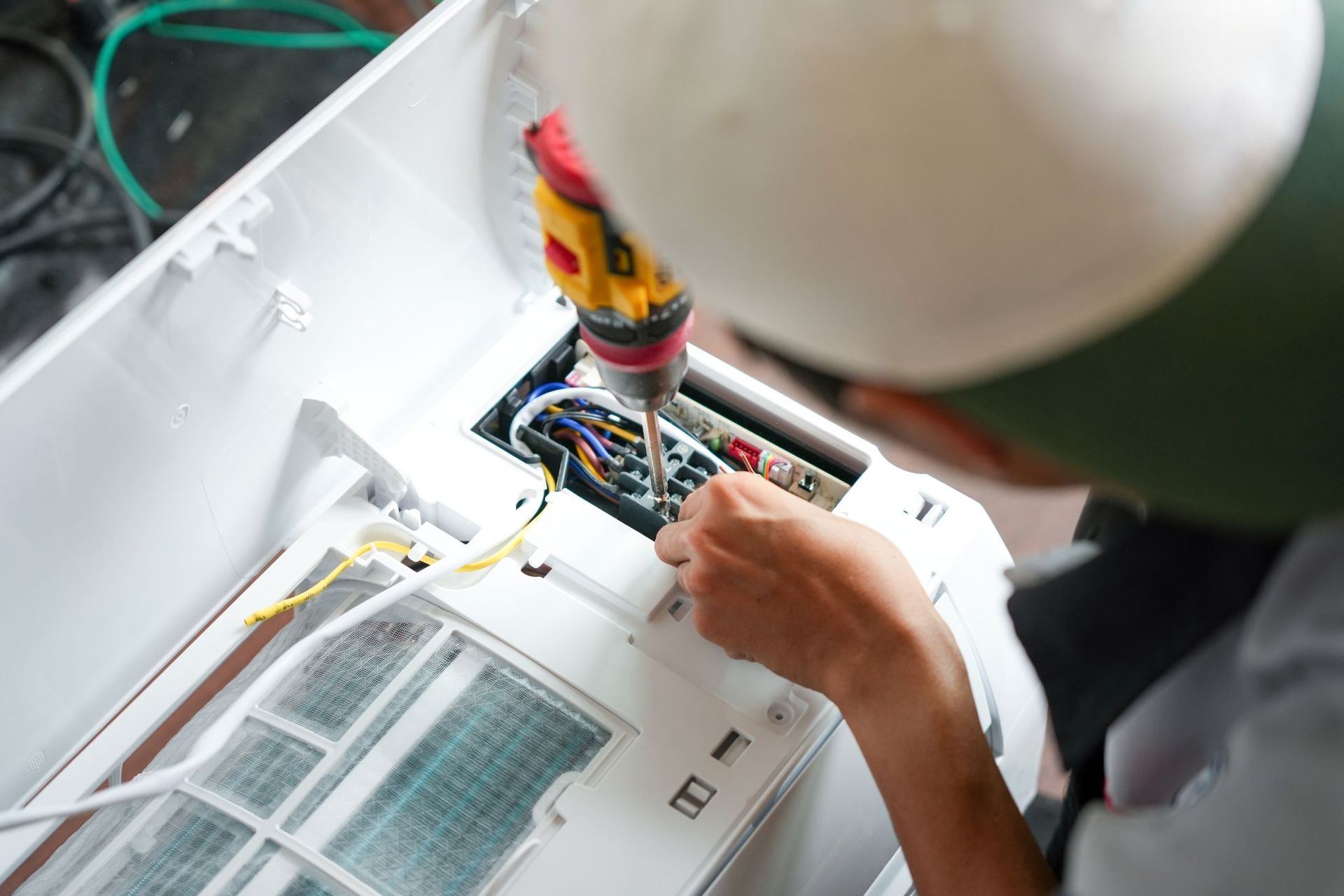
HVAC maintenance involves cleaning components, testing electrical connections, measuring system performance, and replacing consumable parts before they fail. Furnace tune-ups include inspecting the heat exchanger for cracks, testing ignition and flame sensors, measuring gas pressure, and confirming proper venting to prevent carbon monoxide problems. Air conditioning maintenance covers cleaning the condenser coil, checking refrigerant charge, testing capacitors and contactors, and verifying airflow meets manufacturer specifications for the system's tonnage rating.
Enroll in maintenance service plans to schedule heating and cooling tune-ups before peak seasonal demands.
How Routine Service Extends Equipment Lifespan
Preventative maintenance reduces repair costs by addressing small problems before they damage expensive components—cleaning a dirty evaporator coil prevents the compressor from overheating, and replacing a weak capacitor prevents blower motor failure. Systems that receive annual tune-ups typically last three to five years longer than neglected equipment because routine cleaning and testing reduce the wear that accumulates when systems run with restricted airflow, incorrect refrigerant charge, or failing electrical components.
After seasonal maintenance, your system operates more efficiently, drawing less electricity or burning less gas to maintain the same temperatures. You'll notice improved airflow from supply vents once the blower wheel and evaporator coil are cleaned, and the system reaches set temperature faster when the heat exchanger or condenser coil is free of dust and debris that blocks heat transfer. Maintenance also identifies problems early—a refrigerant leak detected during a spring tune-up can be repaired before the system fails during the first heat wave.
Service includes filter replacement, thermostat calibration checks, and inspecting ductwork connections for leaks that waste conditioned air. For homes and businesses, maintenance scheduling before peak summer and winter weather prevents the inconvenience and expense of emergency repairs when outdoor temperatures make indoor comfort essential. Systems maintained regularly also maintain manufacturer warranty coverage, which often requires proof of annual professional service.
Answers to Frequent Service Questions
Maintenance decisions involve understanding what gets serviced, how often tune-ups should happen, and what problems routine service prevents.
What gets done during furnace maintenance in Plano?
Technicians inspect the heat exchanger for cracks, clean the burner assembly, test the ignition system and flame sensor, measure gas pressure, verify proper venting, and test safety controls. The blower motor and wheel are cleaned, and the filter is replaced to ensure proper airflow when the heating season starts.
How often should air conditioning systems receive maintenance?
Annual service before the cooling season starts ensures the system is ready when temperatures rise. Spring maintenance includes cleaning the condenser coil, checking refrigerant levels, testing electrical components, and verifying airflow to prevent mid-summer breakdowns when the system runs daily.
What failures does routine maintenance prevent?
Cleaning coils prevents compressor overheating from restricted airflow, replacing weak capacitors prevents motor failures, and testing ignition components prevents furnaces from failing to start during cold weather. Catching refrigerant leaks early prevents compressor damage from low charge conditions.
Why does delaying maintenance increase repair costs?
Dirty coils force the compressor to work harder and run longer, causing it to overheat and fail prematurely. Worn capacitors that aren't replaced stress blower motors and compressor windings until they burn out. A neglected system accumulates multiple wear problems that eventually require expensive component replacements.
When should maintenance happen to prepare for seasonal weather?
Furnace maintenance in September or October prepares heating systems before winter cold arrives, and air conditioning maintenance in March or April ensures cooling readiness before summer heat. Early scheduling avoids the rush during peak seasons when service demand is highest.
J&C HVAC Services, Corp. offers maintenance plans that include seasonal tune-ups for heating and cooling equipment, priority scheduling, and lower repair costs when problems are identified. Schedule your system's preventative service by calling (773) 331-8808 to arrange an appointment before the next heating or cooling season.