HVAC Safety Verified Through Component Testing
Electrical Inspections in Plano and across the Chicagoland area for heating and cooling systems before upgrades, after installations, or when reliability concerns arise
Loose wiring connections, corroded terminals, and undersized electrical components create safety hazards and operational failures in HVAC systems, and when electrical issues remain undetected, equipment cycles unpredictably or fails to start during extreme weather when you need climate control most. Electrical inspections examine wiring integrity, component condition, and system operation to identify problems before they cause breakdowns or fire risks. J&C HVAC Services, Corp. conducts electrical safety inspections for HVAC systems in Plano and throughout the Chicagoland area, applying 20 years of electrical and AC experience to evaluate homes, businesses, and properties undergoing HVAC upgrades where new equipment demands exceed existing electrical capacity.
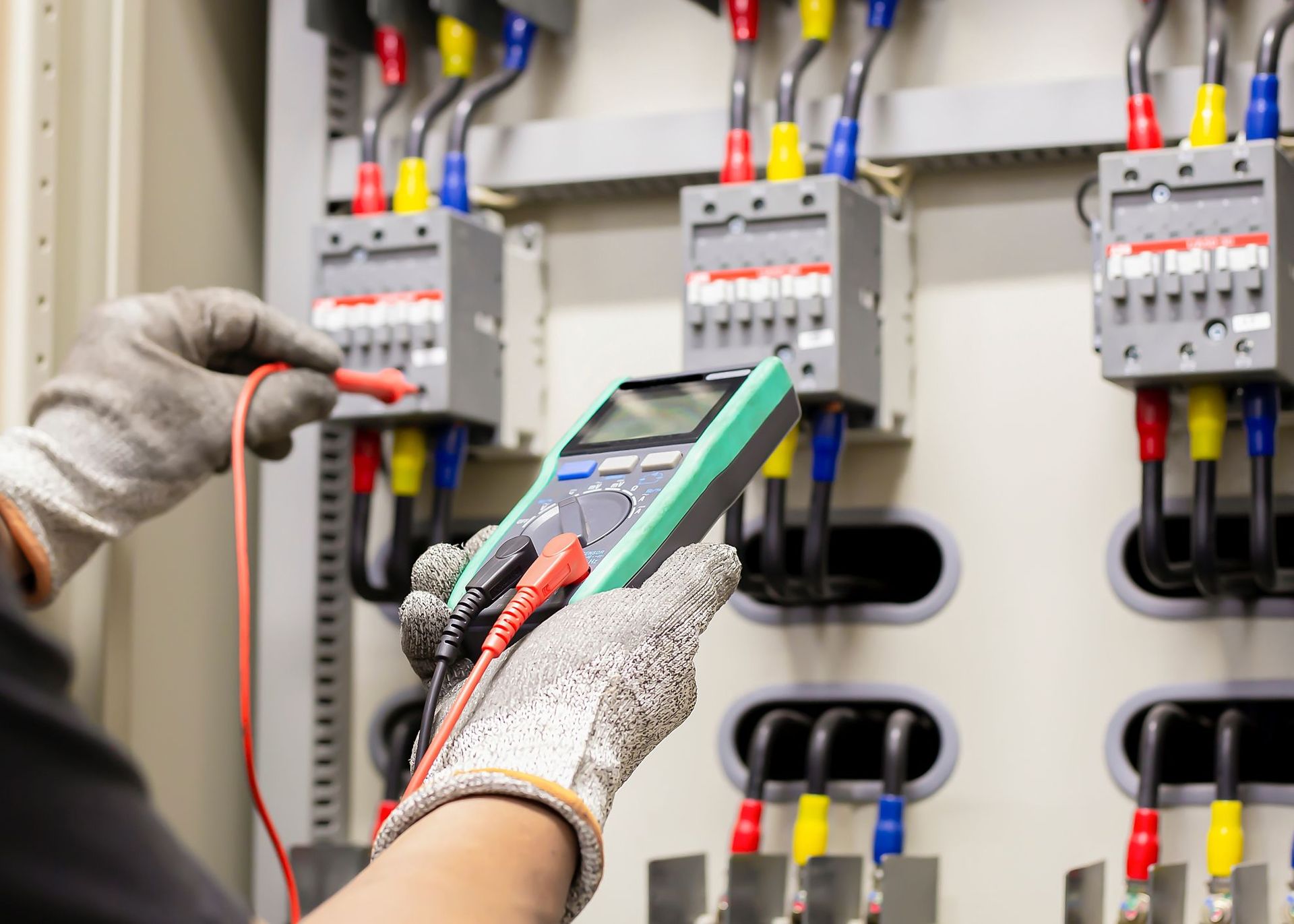
The inspection process involves testing voltage at disconnect boxes, measuring amperage draw during system operation, and examining contactor contacts, capacitor terminals, and wire connections for signs of overheating or corrosion that compromise performance. Inspectors verify that circuit breakers match equipment specifications and that grounding connections provide proper protection, addressing code compliance issues that affect both safety and insurance requirements.
Request an electrical inspection appointment to assess wiring condition and component reliability in your HVAC system.
What Proper Electrical Inspections Require
Inspectors check condensate pump wiring, thermostat circuits, and transformer outputs to ensure control voltages remain within acceptable ranges, and test contactor operation under load conditions that reveal wear patterns invisible during visual-only assessments. Capacitor testing measures microfarad ratings against manufacturer specifications, identifying weakened components that cause hard starting or motor failure even when systems appear to run normally.
After completing the inspection, you receive documentation identifying specific issues such as corroded wire terminations, undersized disconnect boxes, or capacitors operating outside tolerance, along with recommendations prioritized by safety risk and failure probability. Addressing identified concerns prevents mid-season breakdowns, reduces the likelihood of compressor damage from electrical faults, and ensures HVAC systems operate within manufacturer specifications that protect warranty coverage.
The service includes evaluating electrical capacity when upgrading to higher-efficiency equipment that draws different amperage, checking that outdoor disconnect boxes meet code requirements for clearance and weather protection, and verifying that emergency shutoffs function correctly. Inspections apply to furnaces, air conditioners, heat pumps, and integrated HVAC systems regardless of equipment age or brand.
Questions Before Starting Your Project
Property owners scheduling electrical inspections typically want to know what the process involves, how long it takes, and when inspections become necessary rather than optional.
What does an HVAC electrical inspection include?
Inspections cover voltage testing at disconnect boxes, amperage measurement during system operation, visual examination of wiring and terminals for damage, capacitor and contactor testing, and verification that circuit protection matches equipment specifications.
How do inspectors identify early-stage electrical issues in HVAC systems?
Discolored wire insulation indicates overheating, pitted contactor contacts suggest arcing during cycling, and capacitor bulging reveals internal failure, with each condition detectable before complete component failure stops system operation.
When should electrical inspections be performed on heating and cooling systems?
Inspections make sense before purchasing a property to assess system condition, after severe weather events that may have caused power surges, when planning HVAC equipment upgrades, or when systems exhibit intermittent operation or unusual noises during startup.
What electrical issues are most common in older HVAC systems?
Corroded wire connections from moisture exposure, undersized disconnect boxes that no longer meet code, and original-equipment capacitors operating beyond their design lifespan frequently appear in systems over 10 years old.
How does 20 years of experience improve inspection accuracy?
Extended field experience reveals failure patterns specific to equipment brands and installation methods common in Plano, allowing inspectors to focus on high-risk components and wiring configurations that generic checklists often overlook.
J&C HVAC Services, Corp. backs electrical inspections with two decades of troubleshooting experience across residential and commercial HVAC installations. Schedule a safety evaluation to verify that your heating and cooling system's electrical components support reliable, code-compliant operation.